Looking Toward Chance
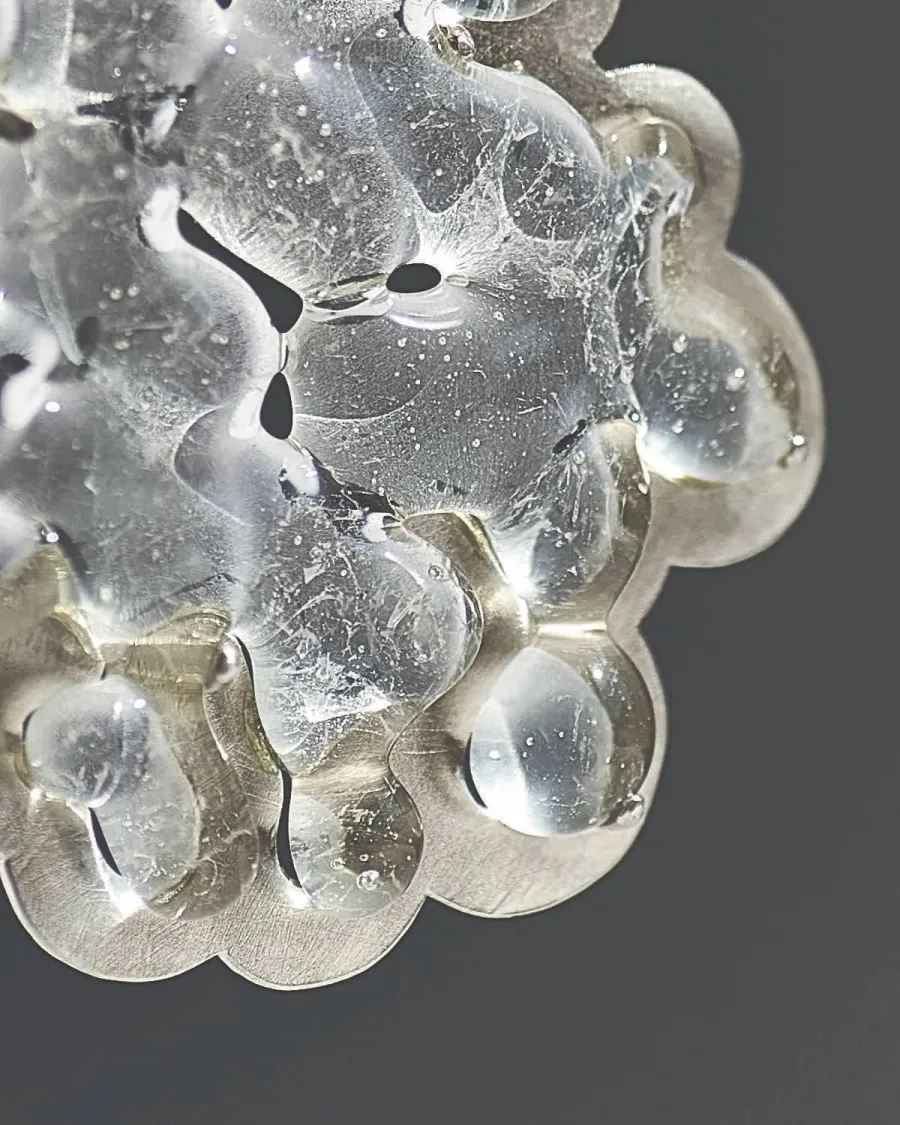
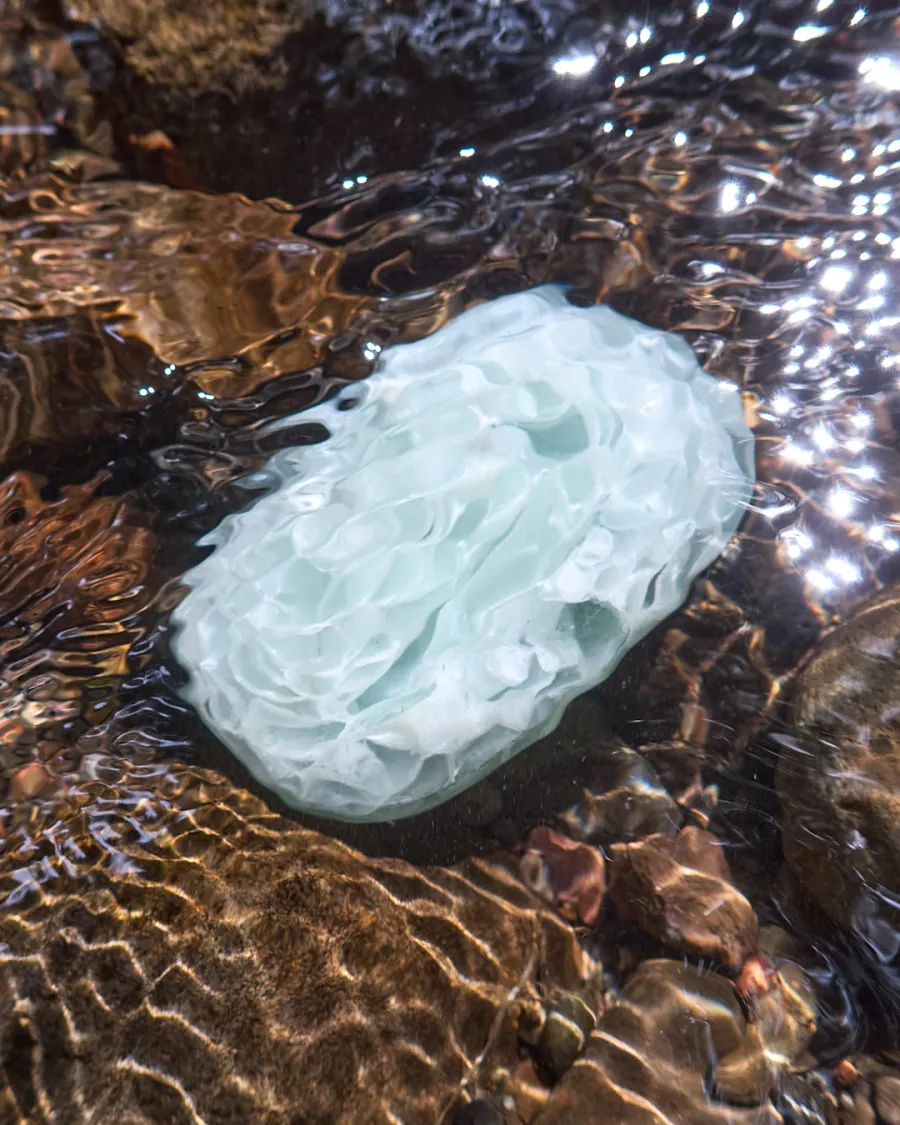
Some 4,000 years ago, it is said, grains of sand and plant ash fused by chance in a fire the Sumerians lit on a beach, and glass was born. Soap, formed over long years from animal and plant fats and soda ash settling in rivers, has been part of daily life since ancient Rome. Though born in different places and times, glass and soap both took shape from fire, sand, and water.
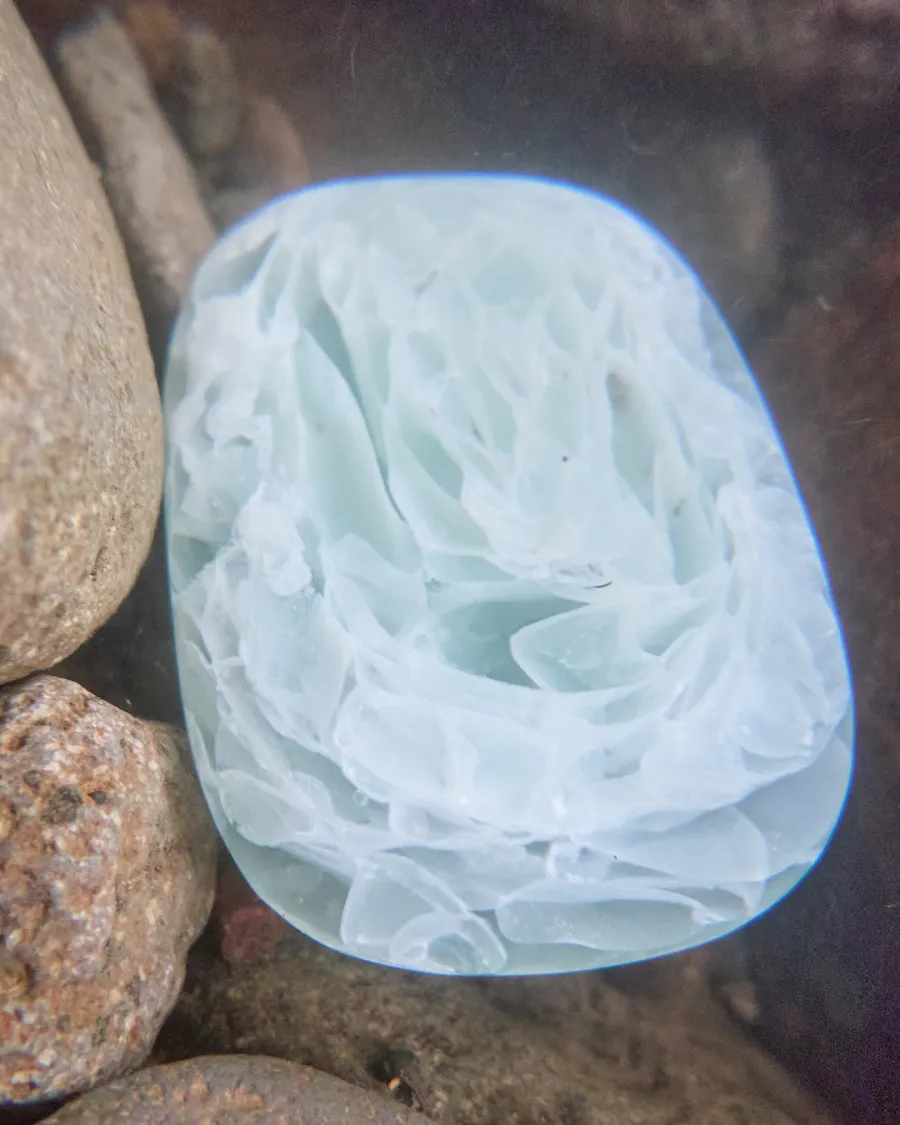
7.5 x 5.5 x 2.5 (cm)
To Remain / To Disappear
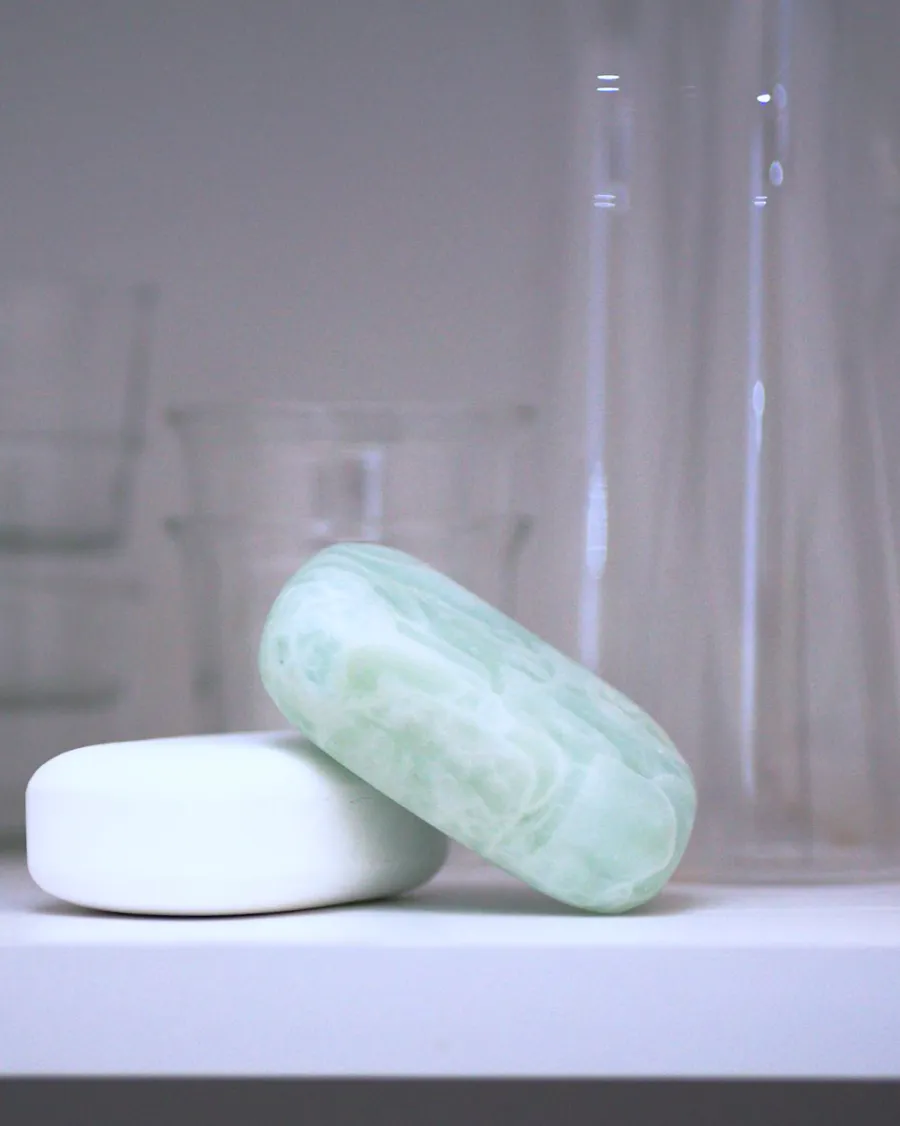
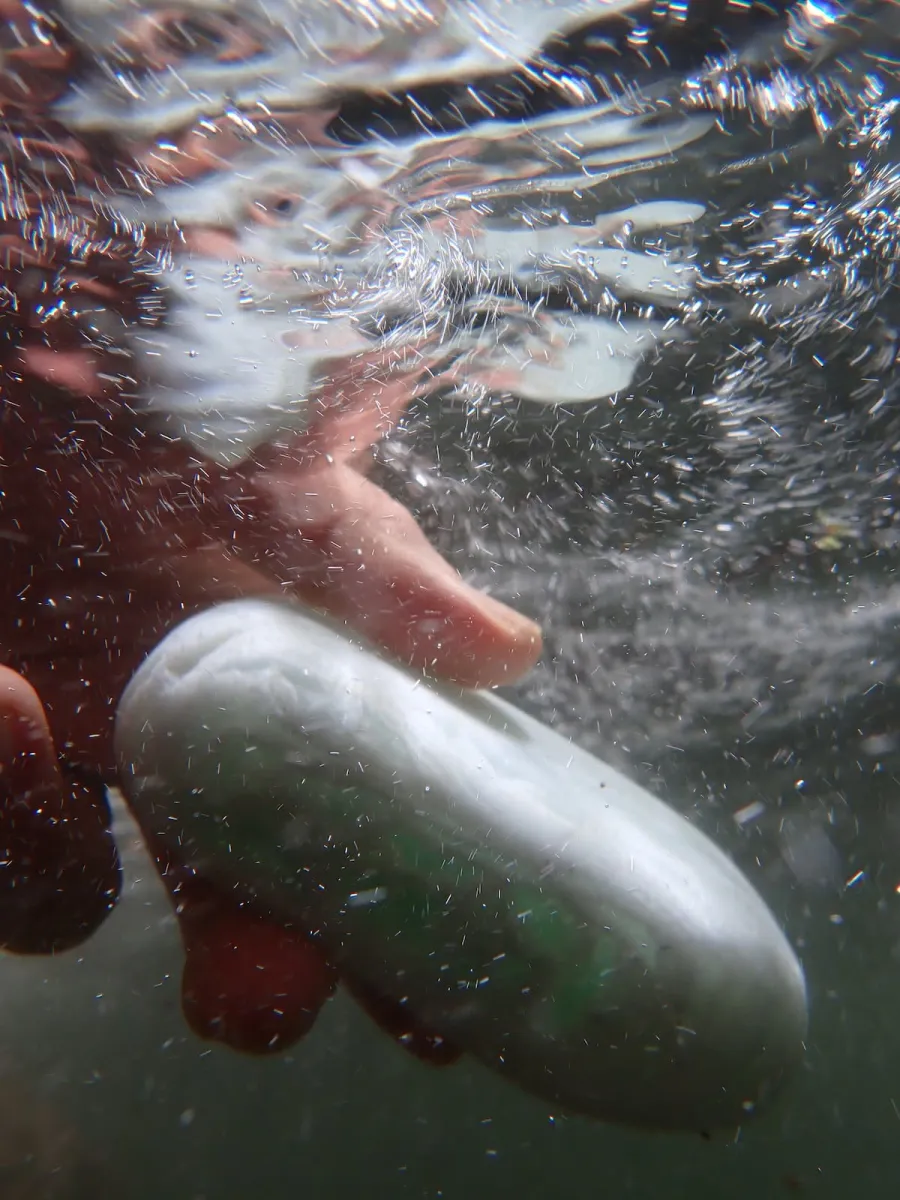
The SOAP object grew from looking at how these two materials have changed over time. Soap changes shape each time it is used, until it is gone. Glass, on the other hand, stays as it is, year after year.
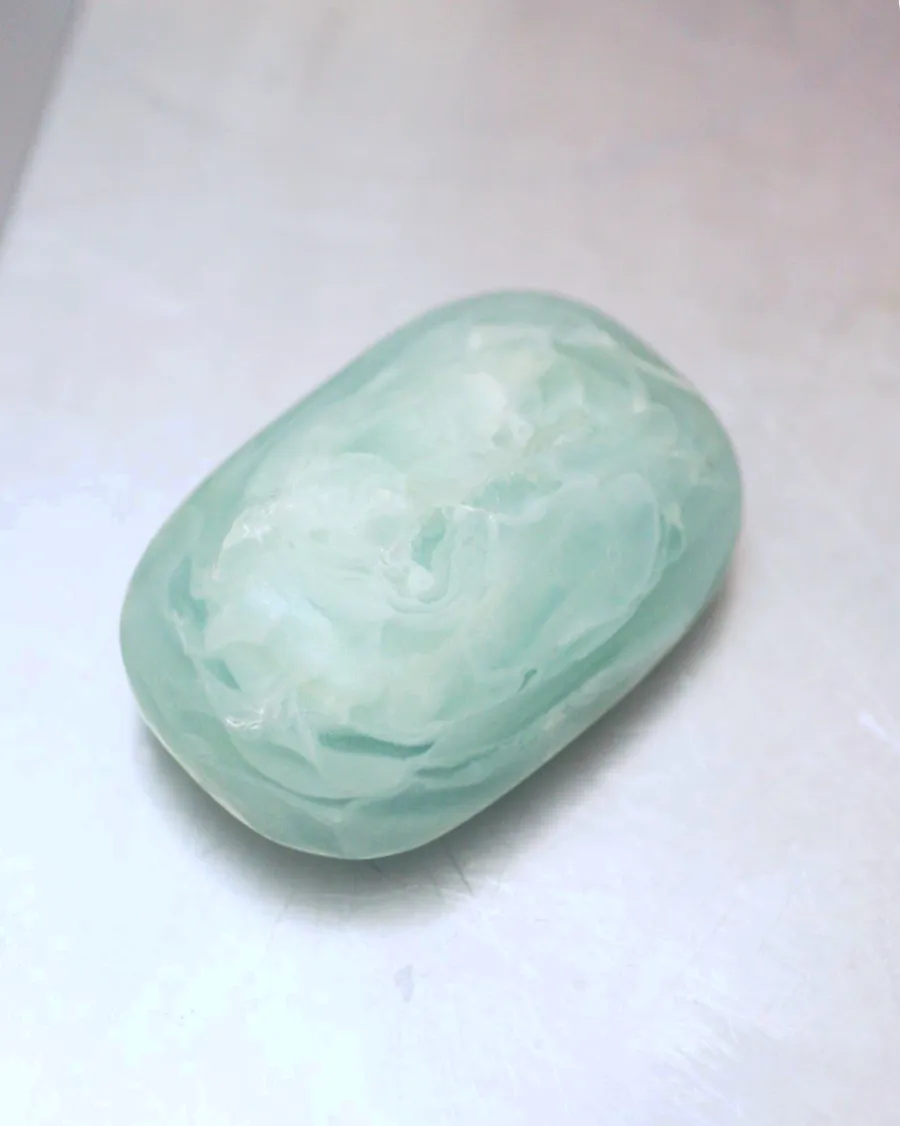
The SOAP object condenses this contrast between change and permanence into a single form that fits in the palm of the hand. Its theme is the moment when two materials of opposite natures meet in one shape
A Texture That Holds Traces
Not a fixed form, but change itself. Handmade with the pâte de verre technique, the SOAP object wears a soft, milky haze and fine layers of texture, giving it a light blue gradient that slowly draws in the light.
Roll it in your palm, or set it on a bookshelf or in the bathroom as an accent in the room. A one-of-a-kind glass object that lets you hold, in your own hand, the possibilities of something born by chance in a distant time and place.