A Journey, Marked by Stones
Gleichenia's work is rooted in the idea of a journey. It began with Rowing a Boat — a sculptural installation where we found a bridge and the start of a river, and made a series of paddles to imagine a boat setting out. That concept of traveling forward, navigating the unknown, has guided everything since.
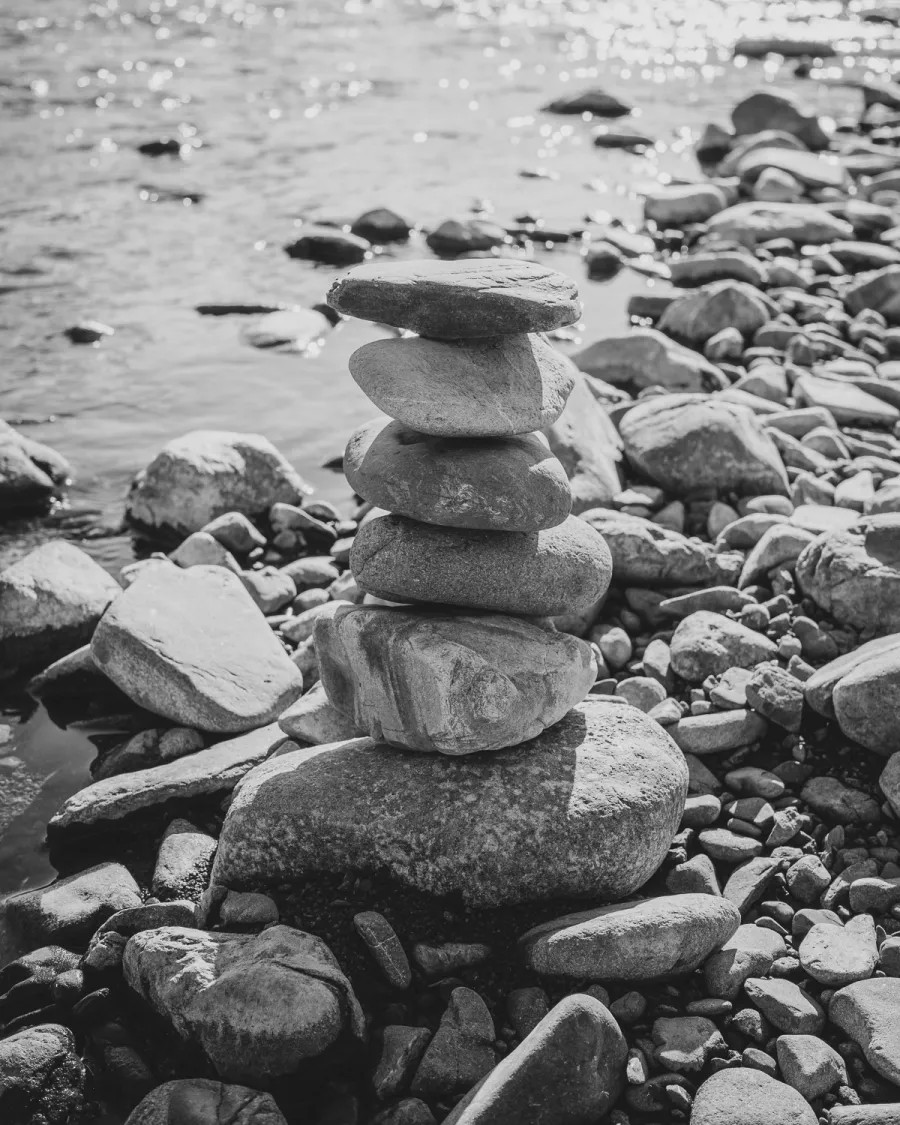
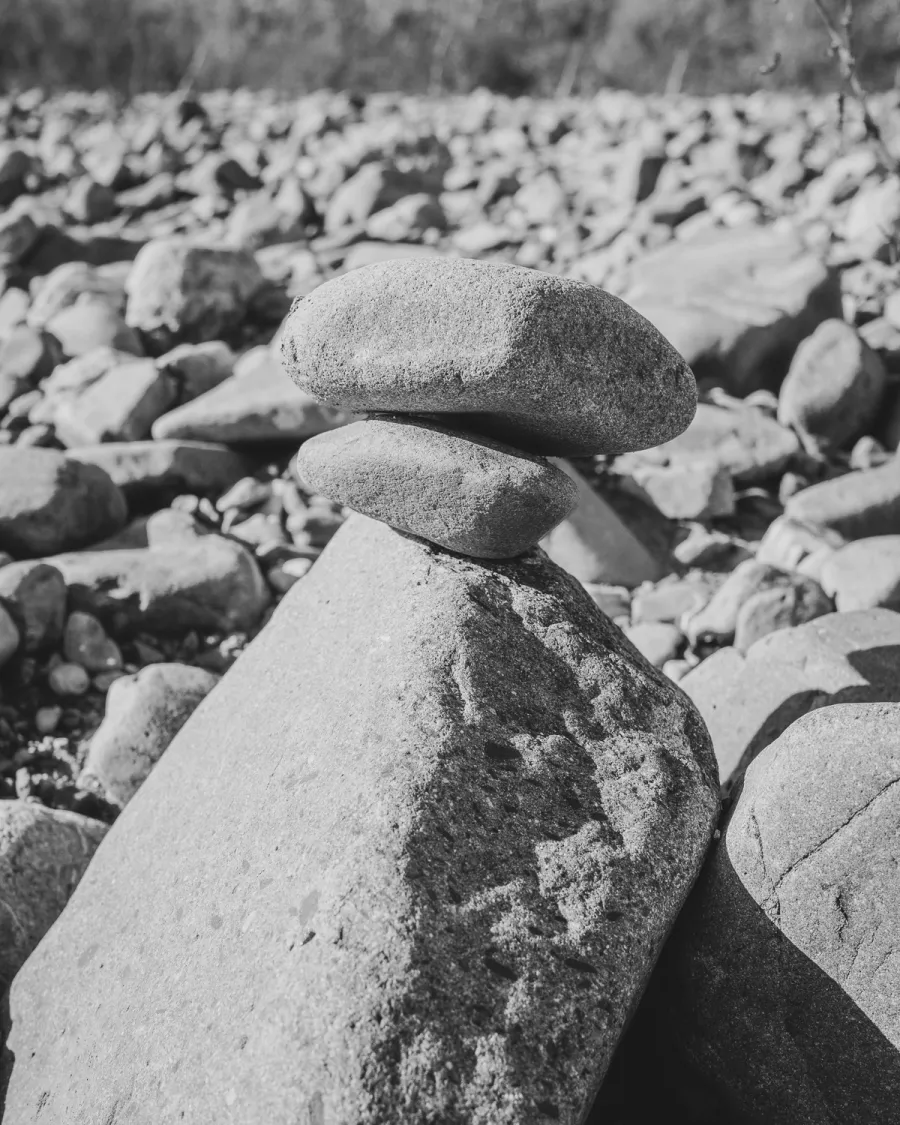
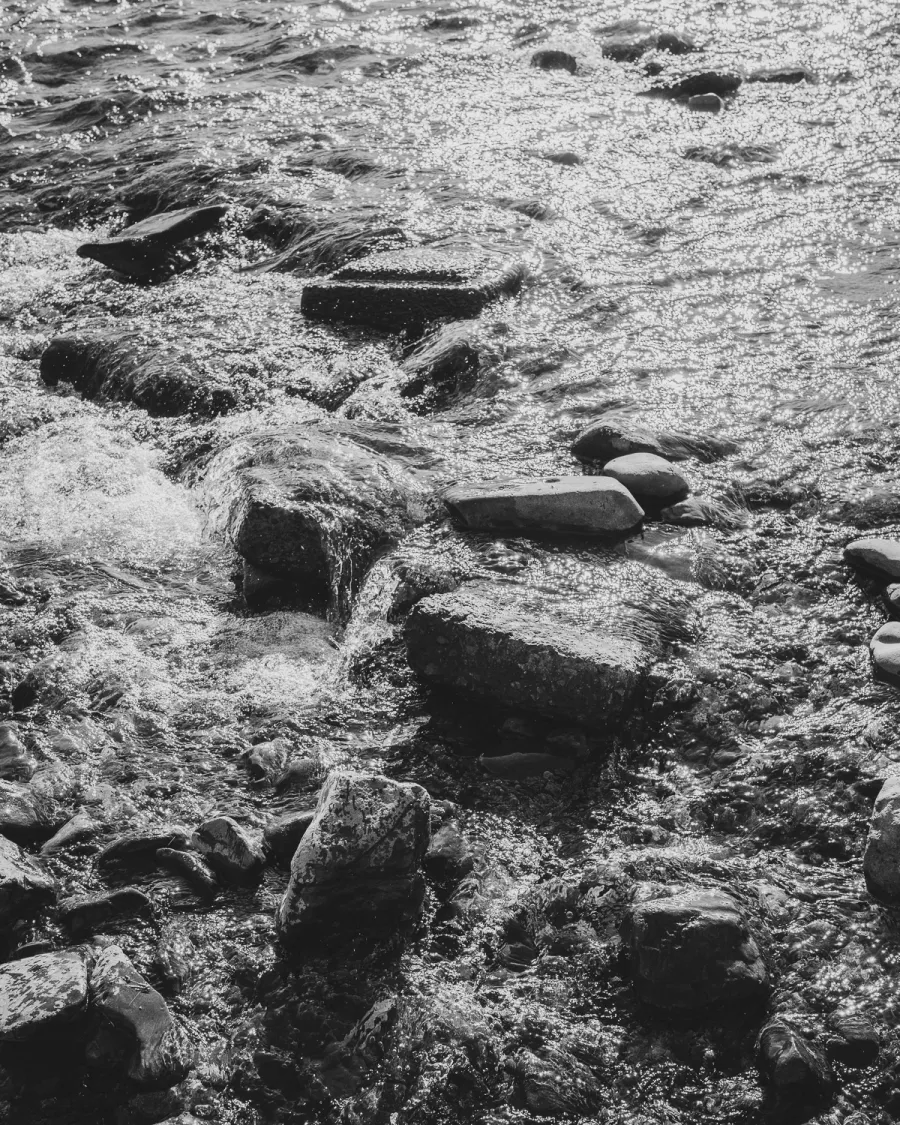
CAIRN grew directly from this. Walking along a mountain trail or standing by a riverbed, one might come across a tower of stones stacked by someone one may never meet. These are cairns — trail markers found all over the world for as long as people have been walking. In Japan, these markers are called michishirube (道標) — literally "road signs" — and they appear along mountain paths much as they do on Scottish highlands, Himalayan passes, and Nordic coastlines.
A cairn is one of the simplest forms of communication: someone stacks a few stones to help the next person find their way, and then that person might add a stone of their own. No instructions, no fixed rules — just the quiet act of building on what others have left behind. The way meaning builds through small, repeated gestures felt like something worth carrying into jewelry.
Two Motifs, One Connection
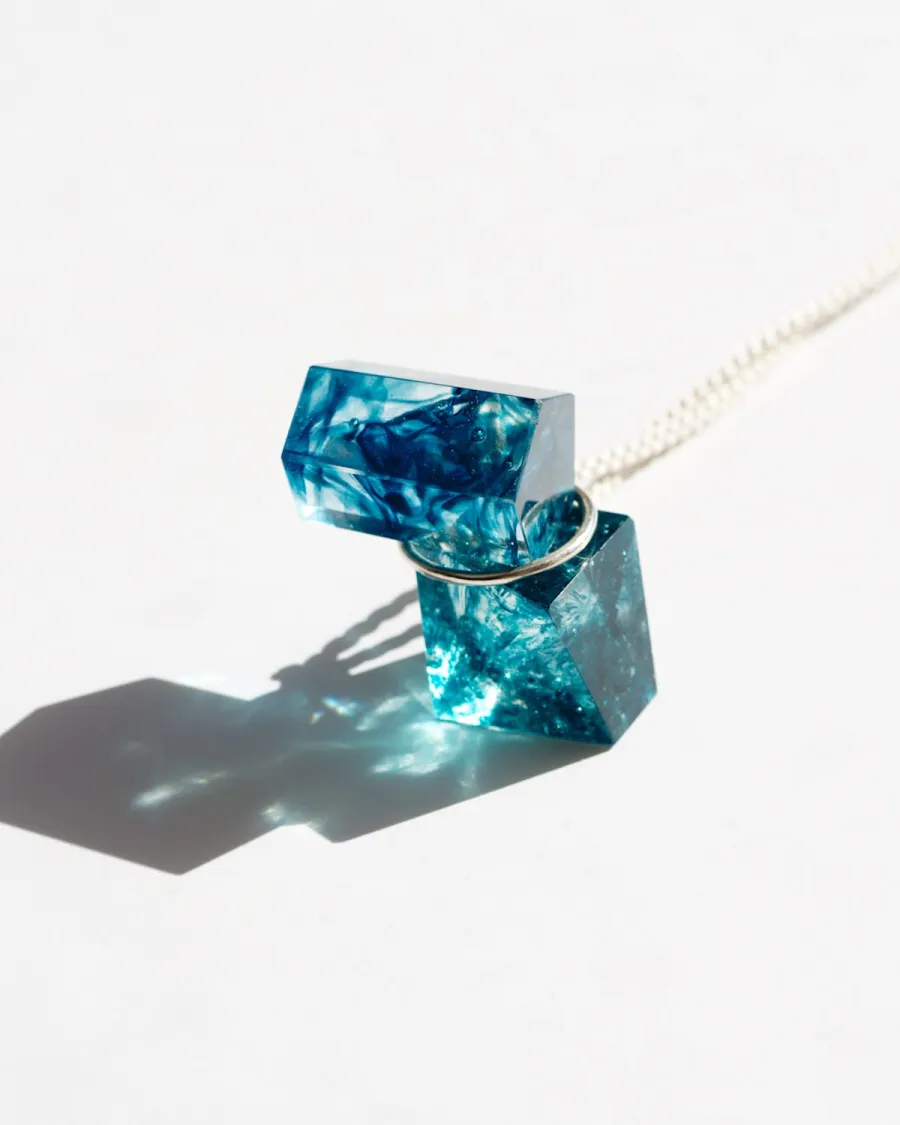
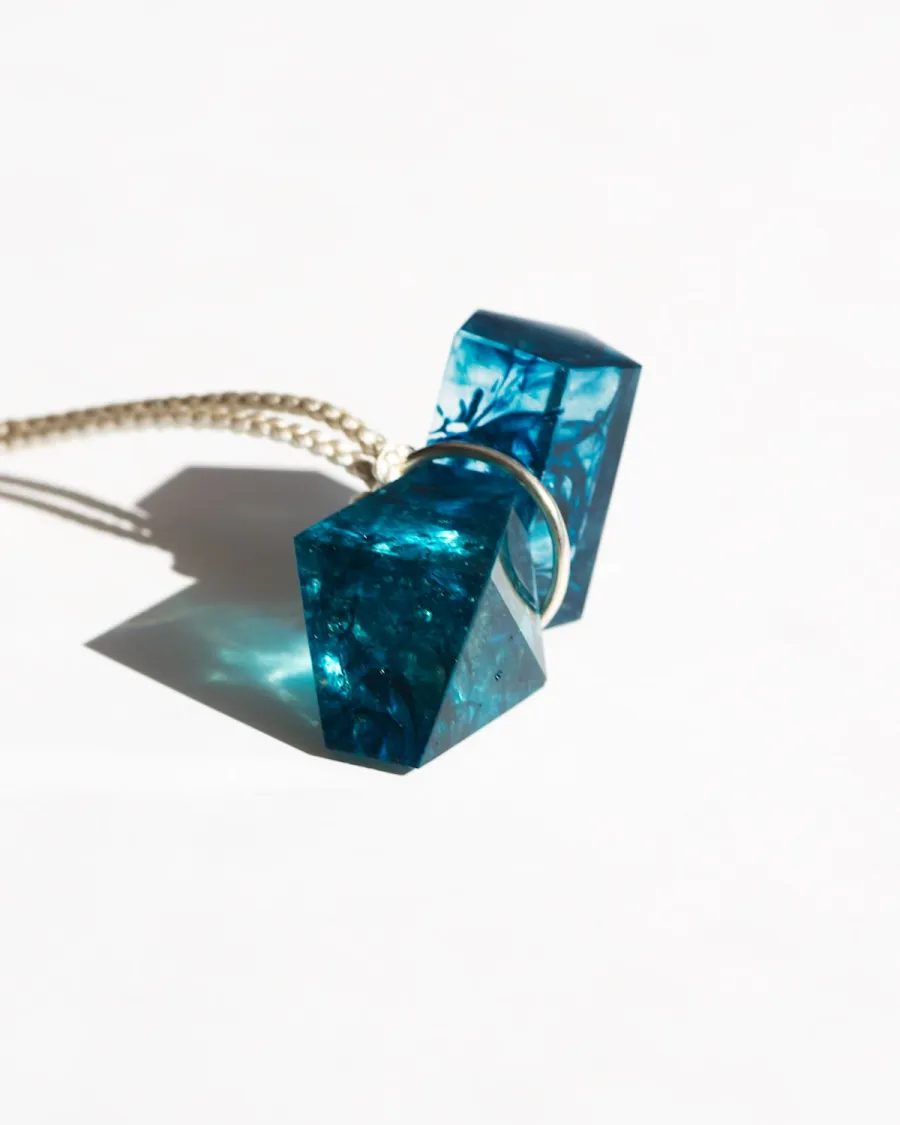
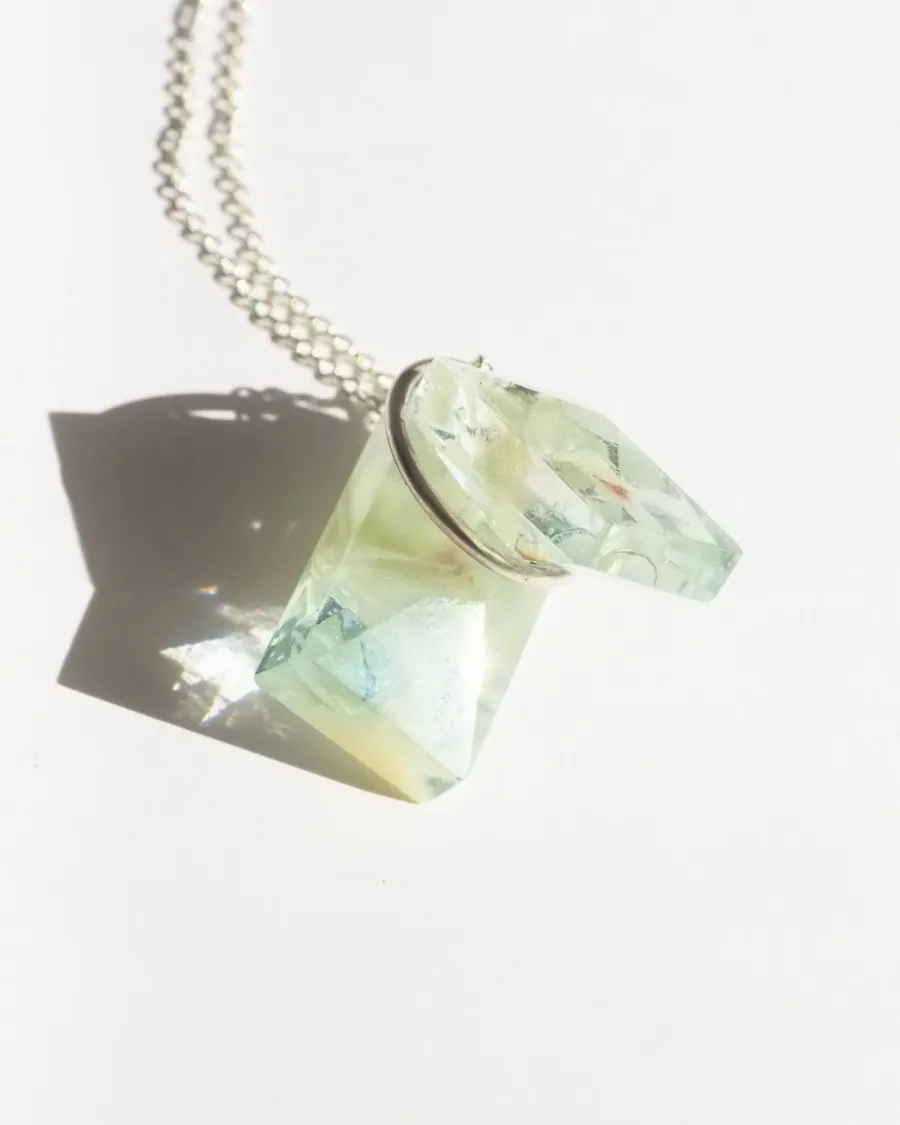
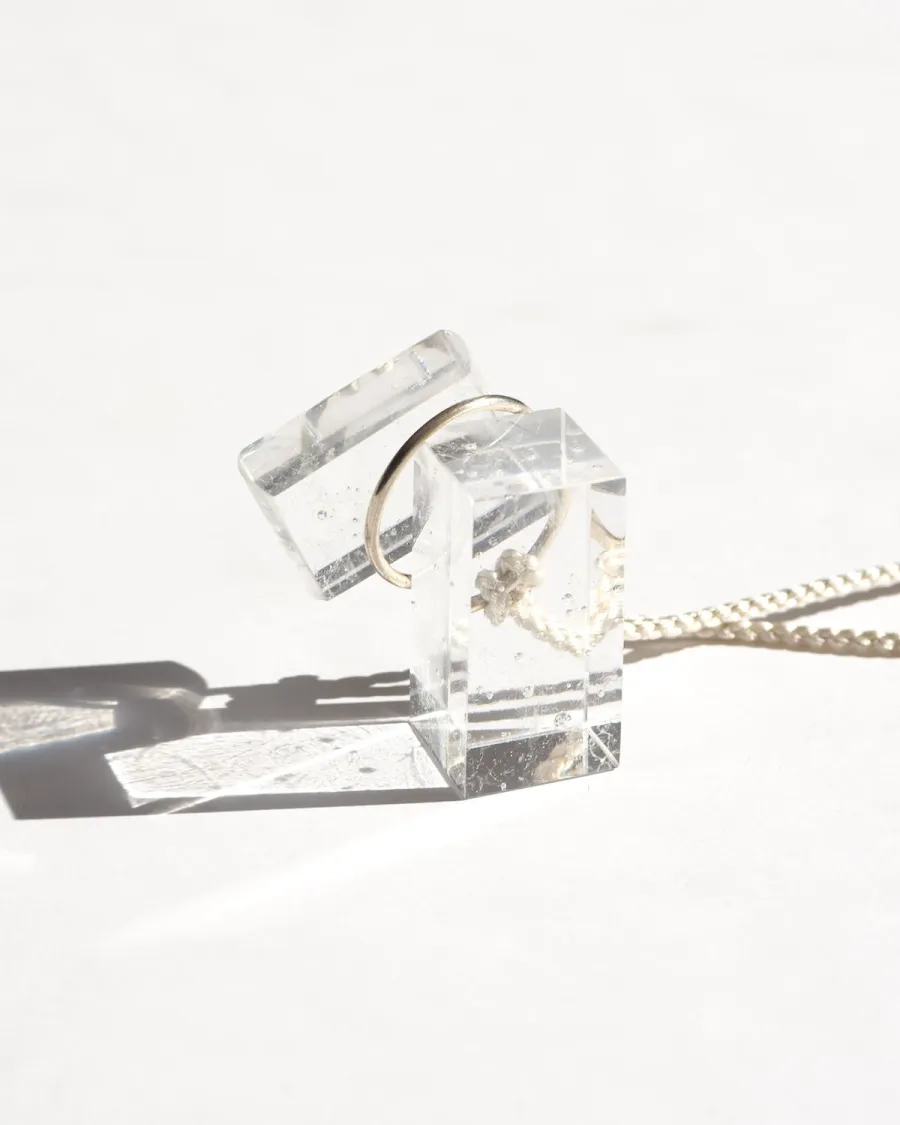
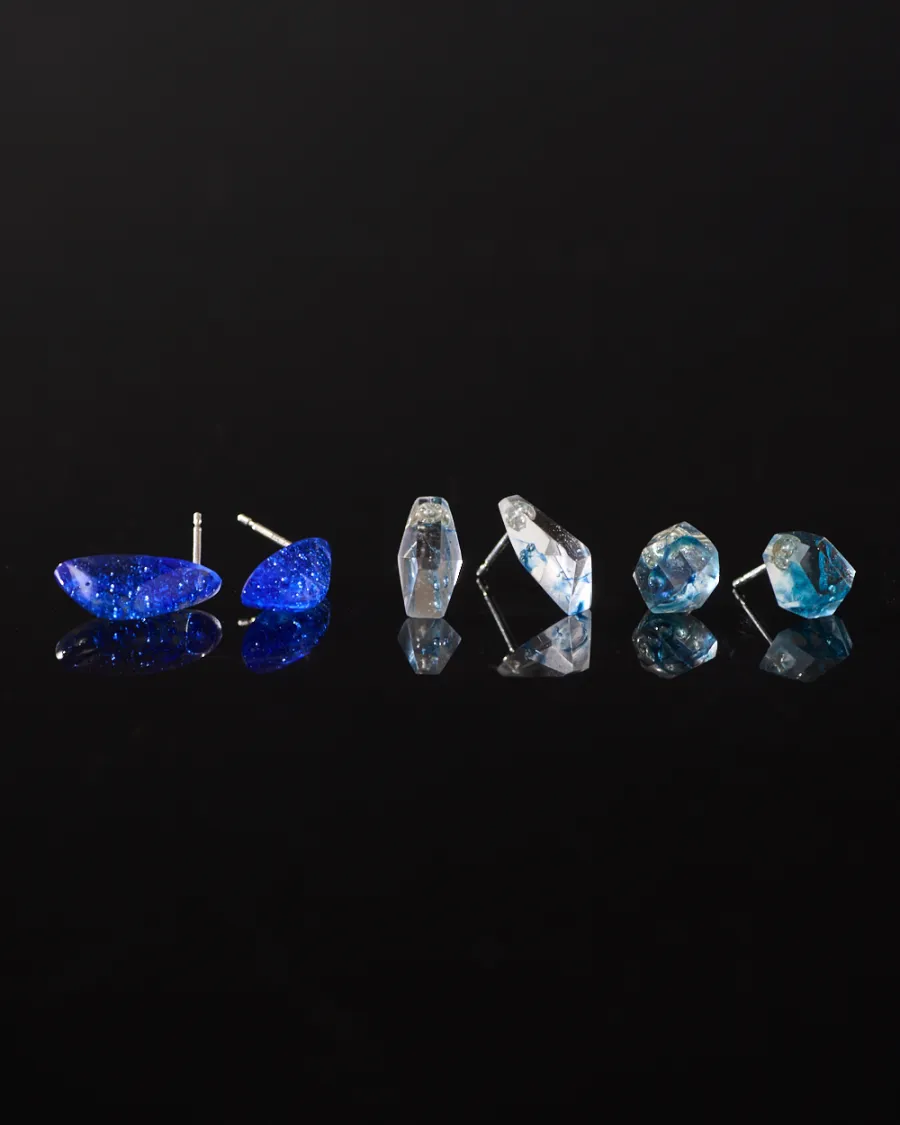
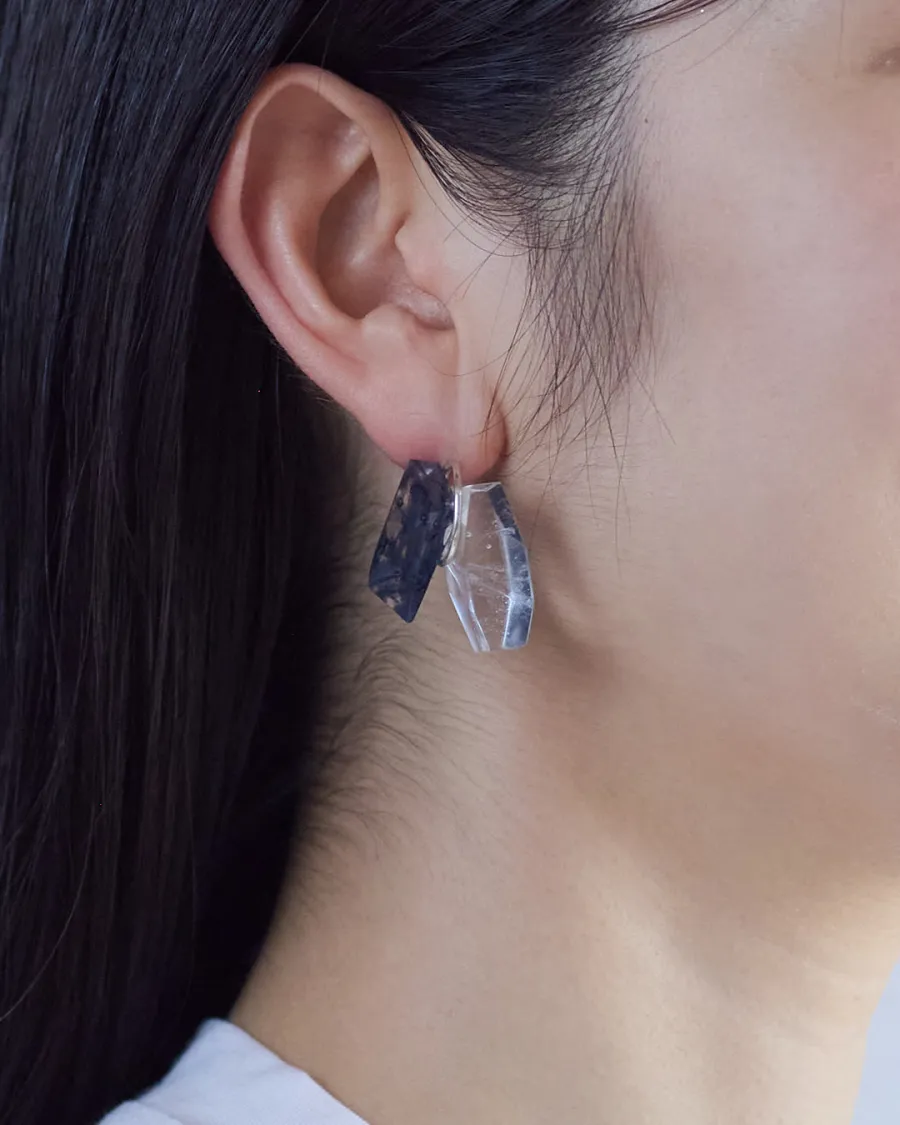
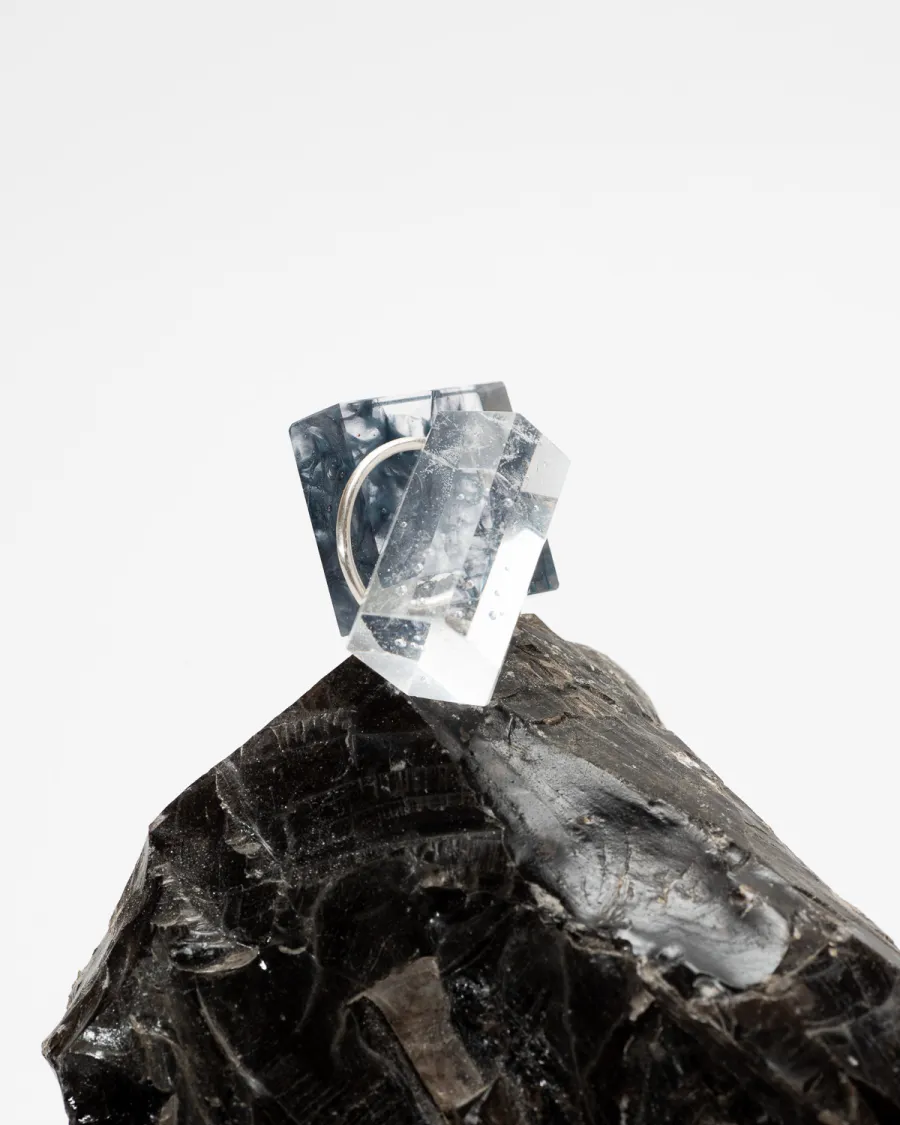
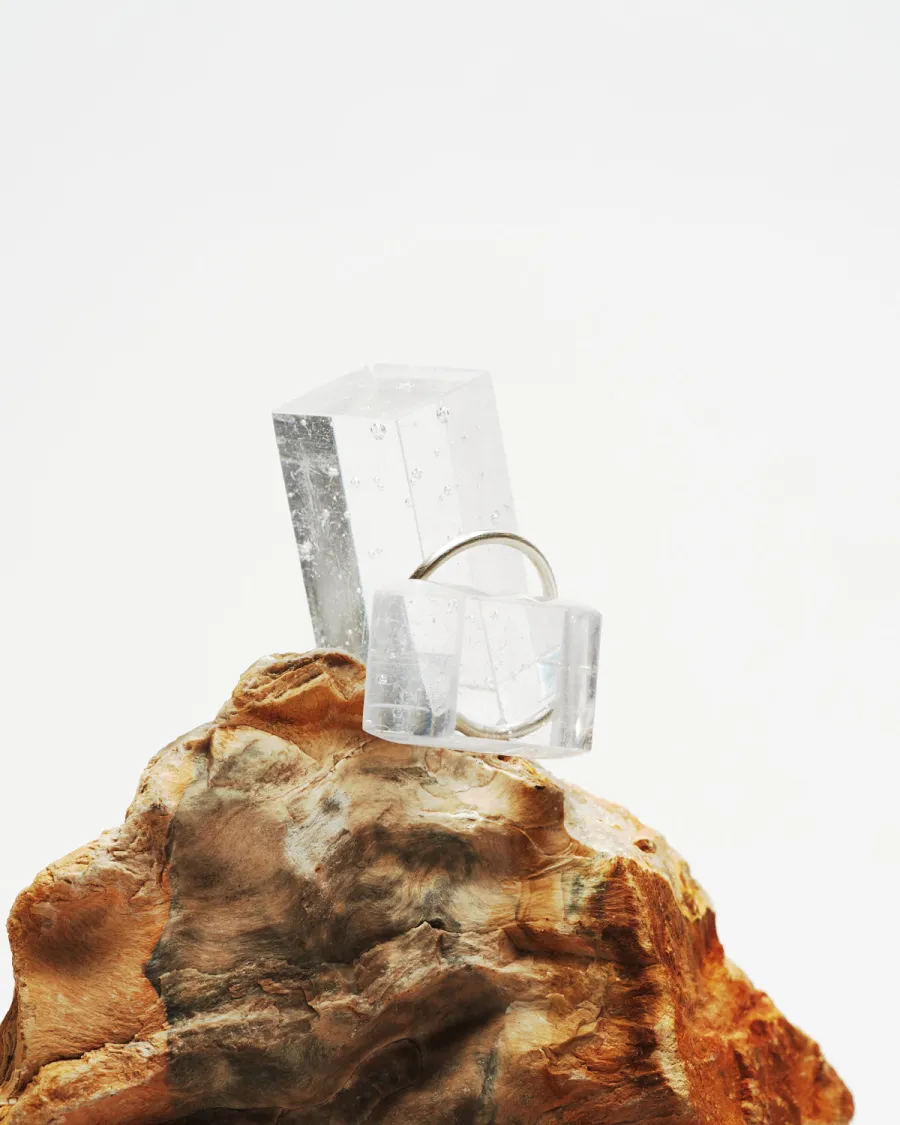
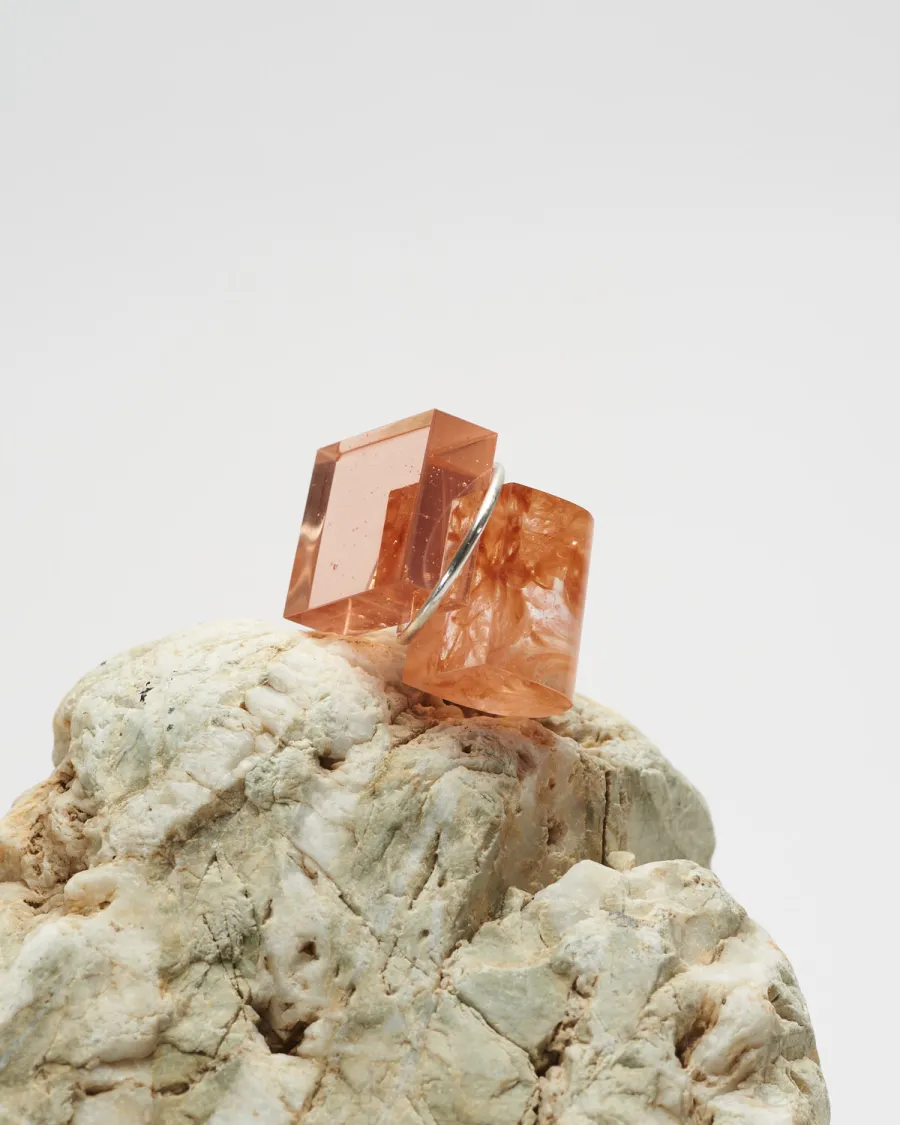
Each CAIRN pendant is made of two separate polyhedral glass pieces joined by a single silver ring. The stacked arrangement mirrors the cairn itself — independent forms that become something more when placed together.
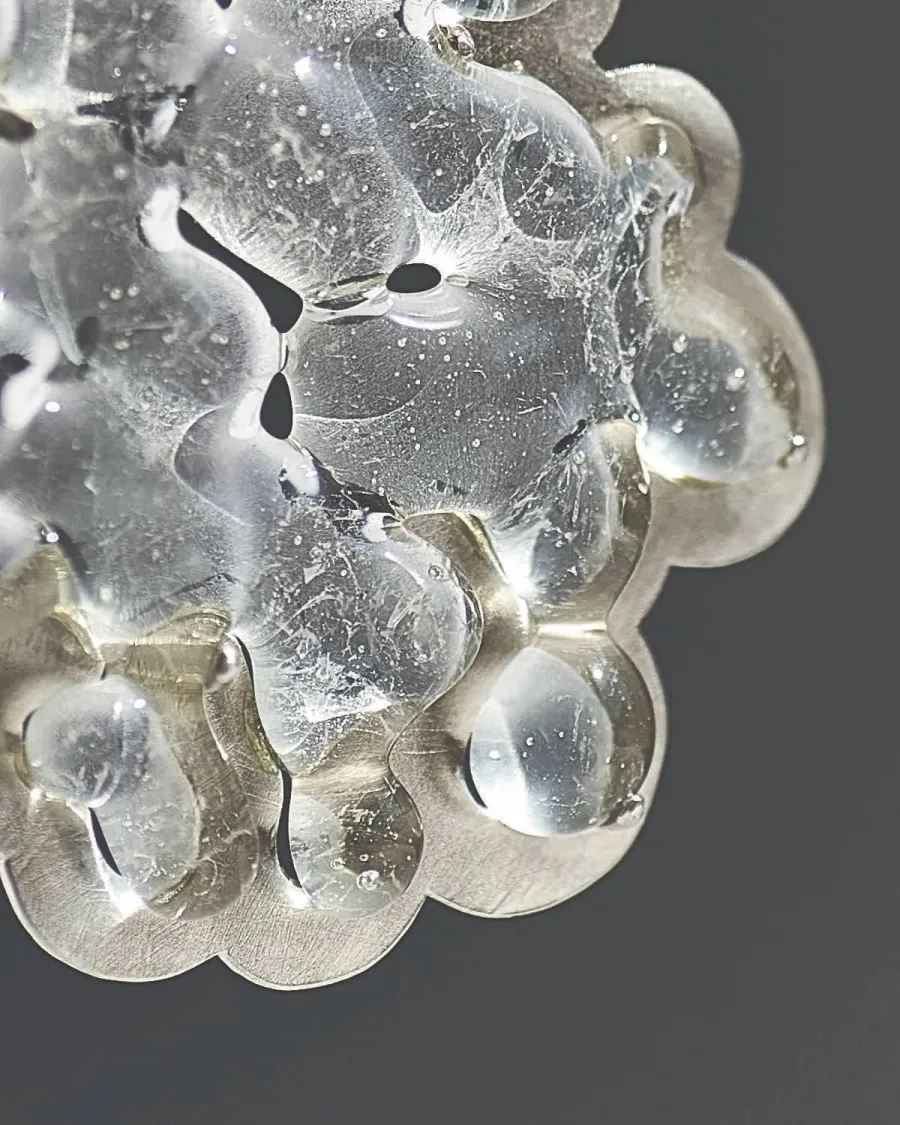
The glass catches and reflects light throughout the day, changing in appearance with movement. As a piece worn every day, CAIRN is meant to mark the small, accumulating moments of daily life — a personal marker for the path one is on.