Adorned with Ancient Wisdom
Circular ruins called HENGE remain in various parts of the world. In an era without wheels or cranes, people used their own unique techniques to lift heavy stones skyward. There lay wisdom that went beyond structure to confront gravity and reimagine relationships with space.
The HENGE pendant was born from bringing this wisdom from thousands of years ago down to the scale of the human body. The name HENGE derives from an Old English word meaning "hang." Gleichenia has fashioned the concept contained in the ancient act of "lifting up" into a wearable form.
Bringing a sense of levitation to polyhedral glass.
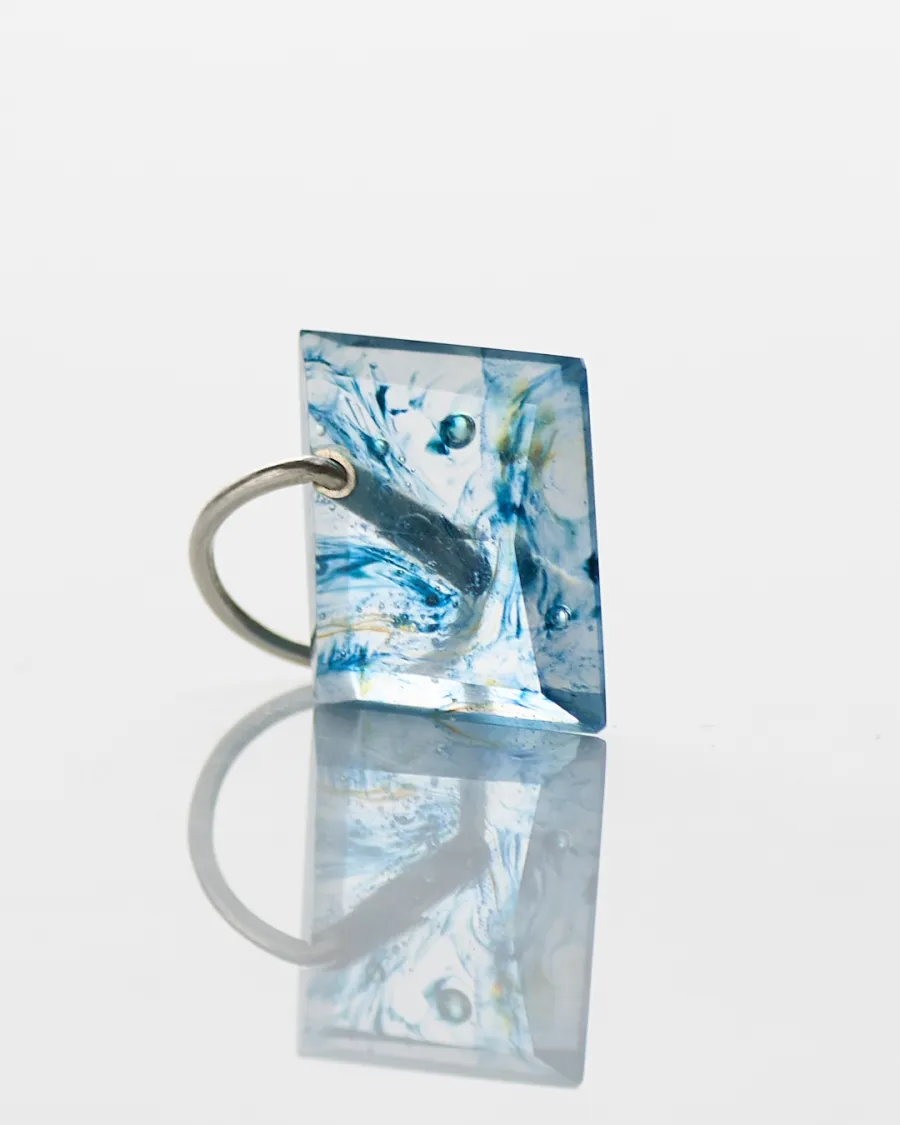
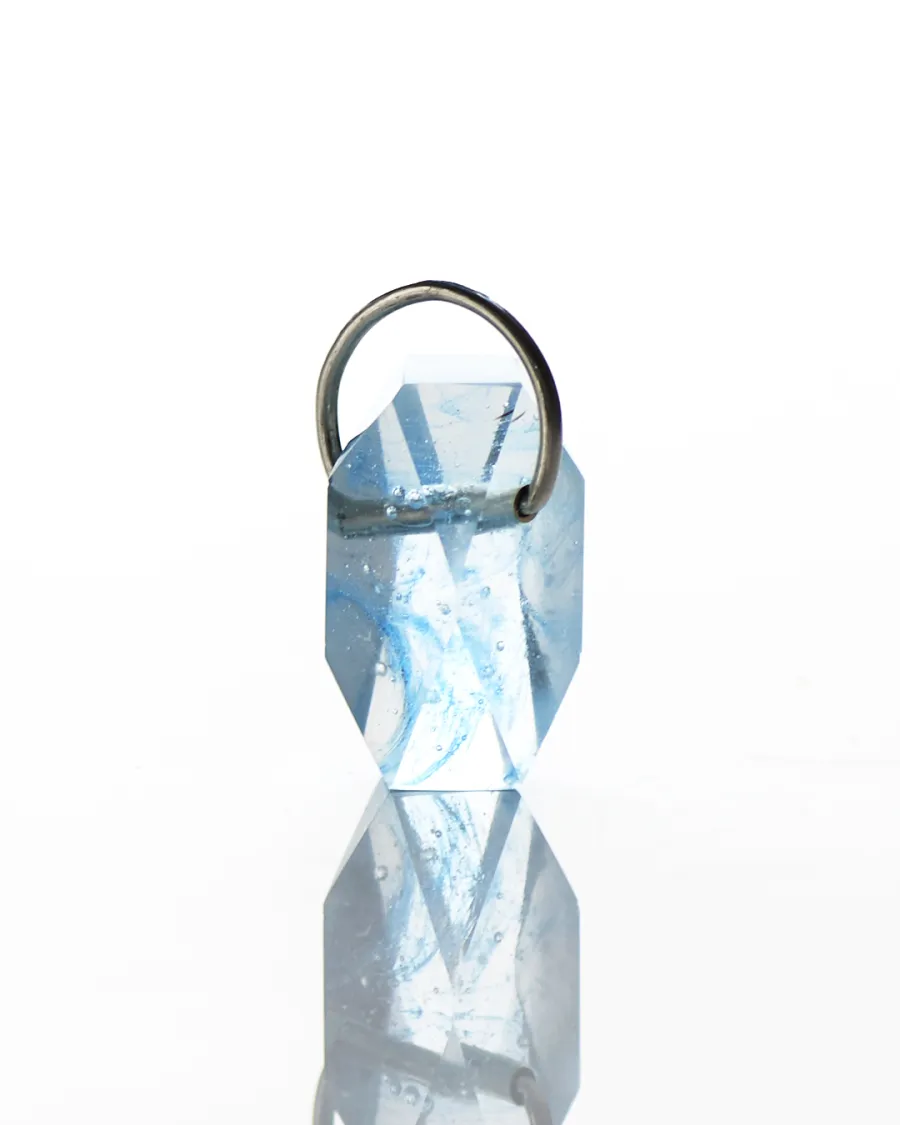
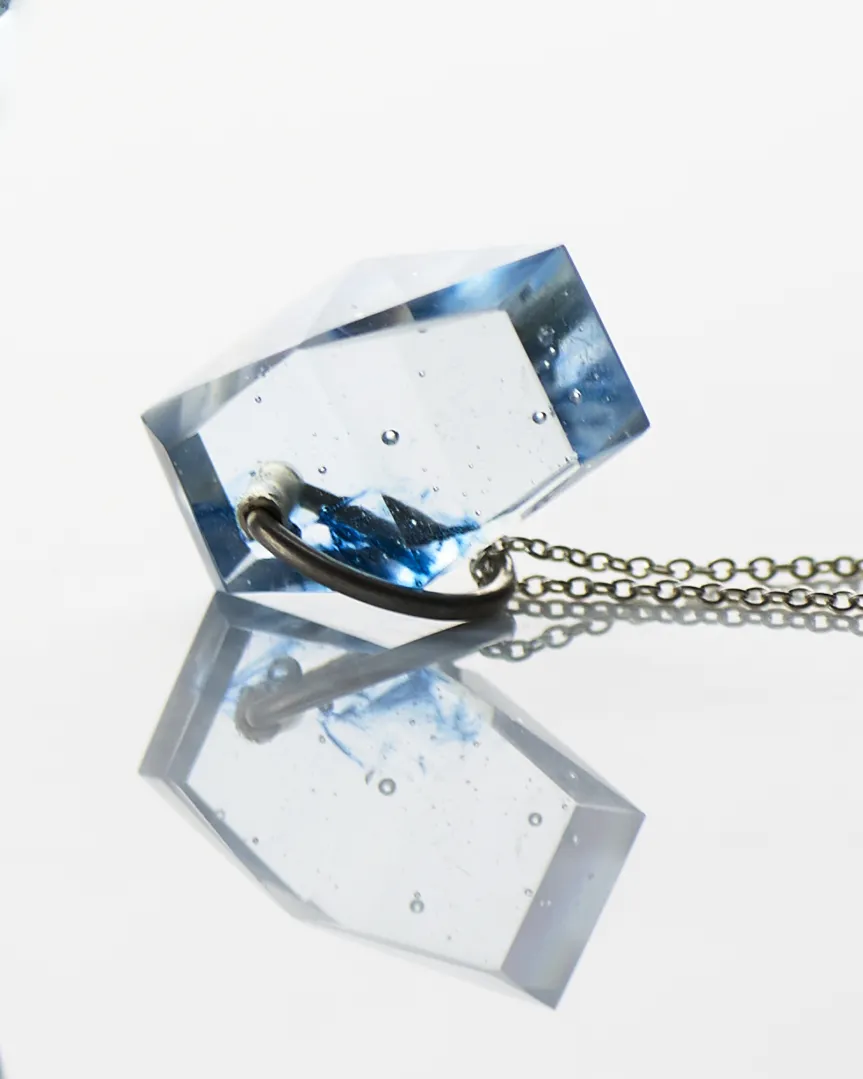
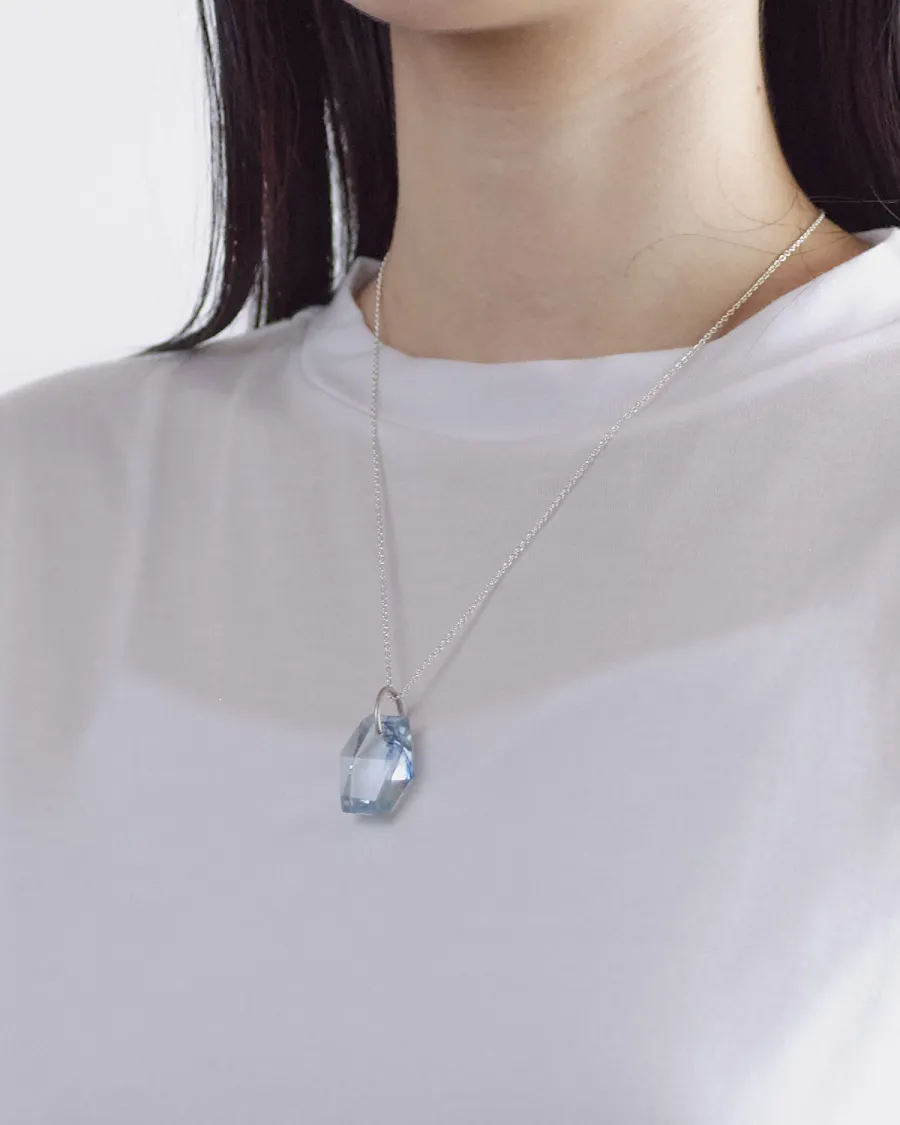
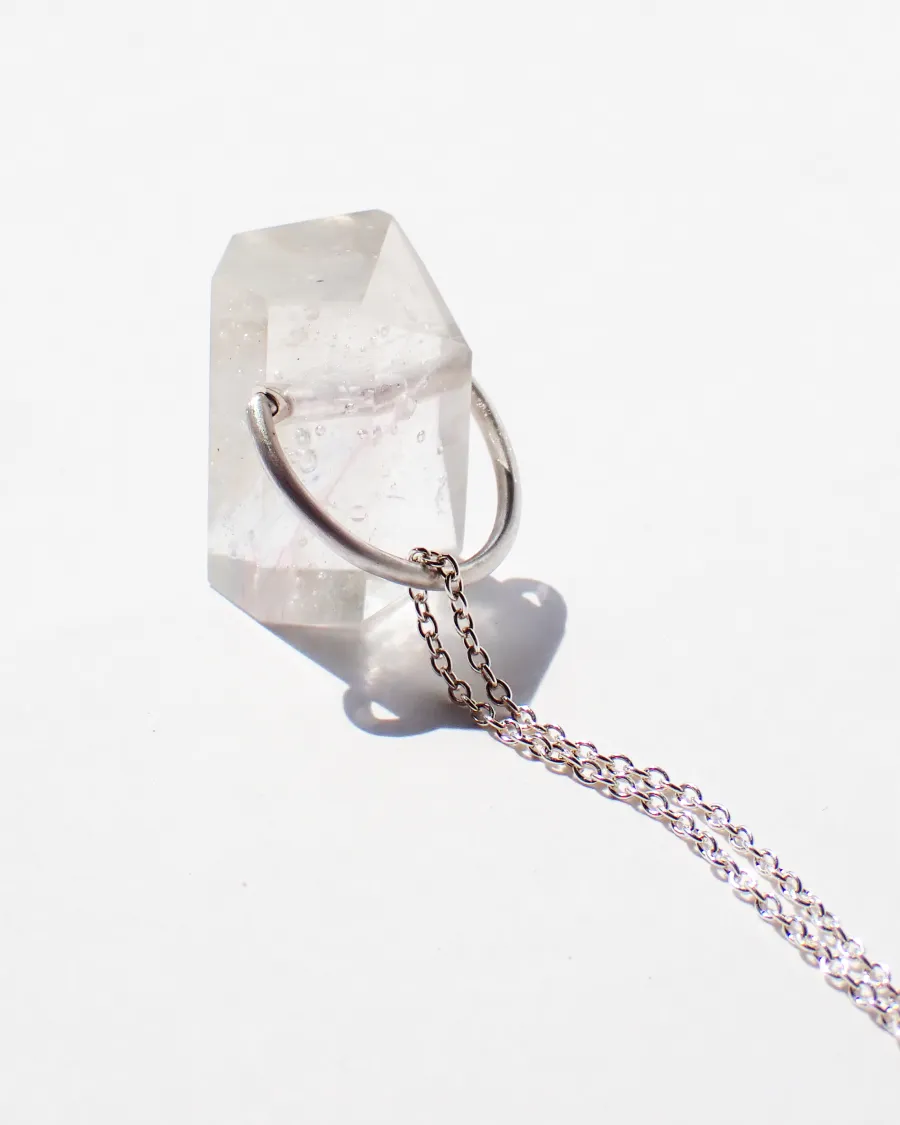
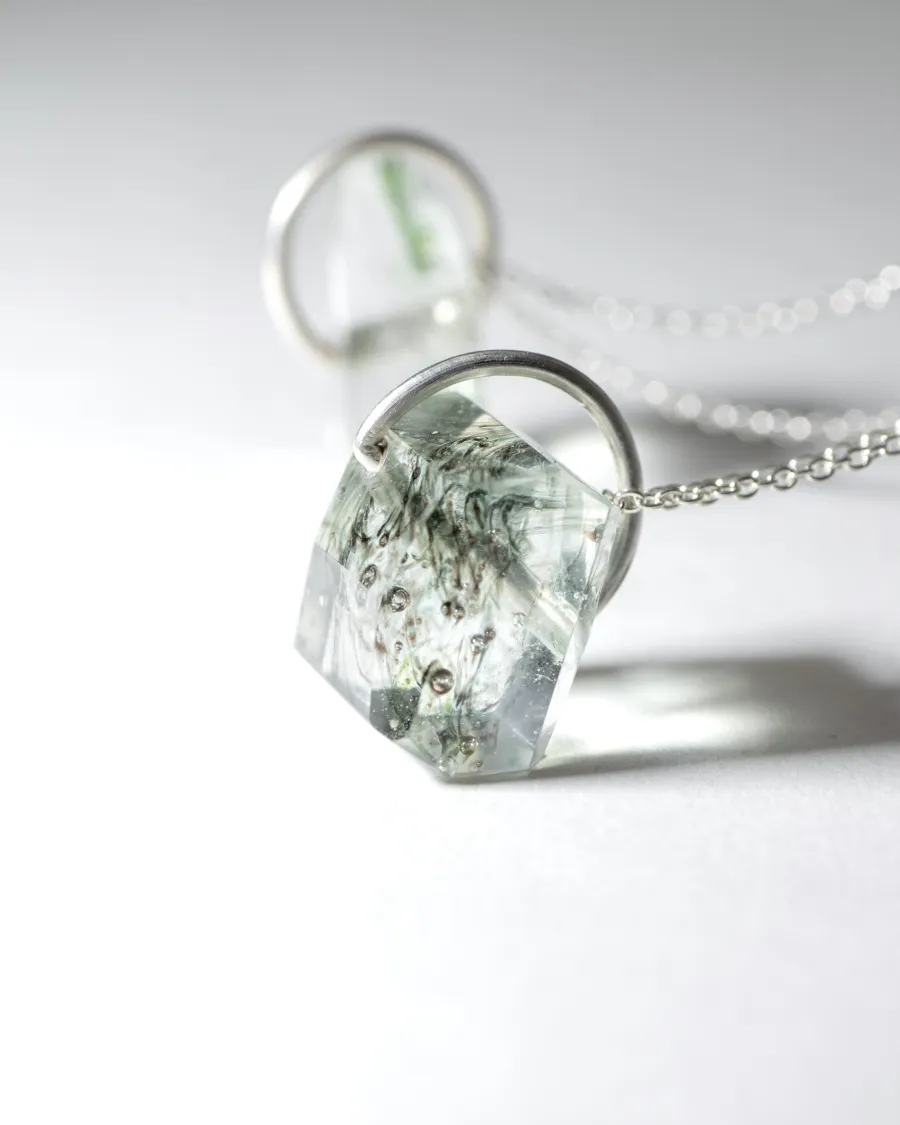
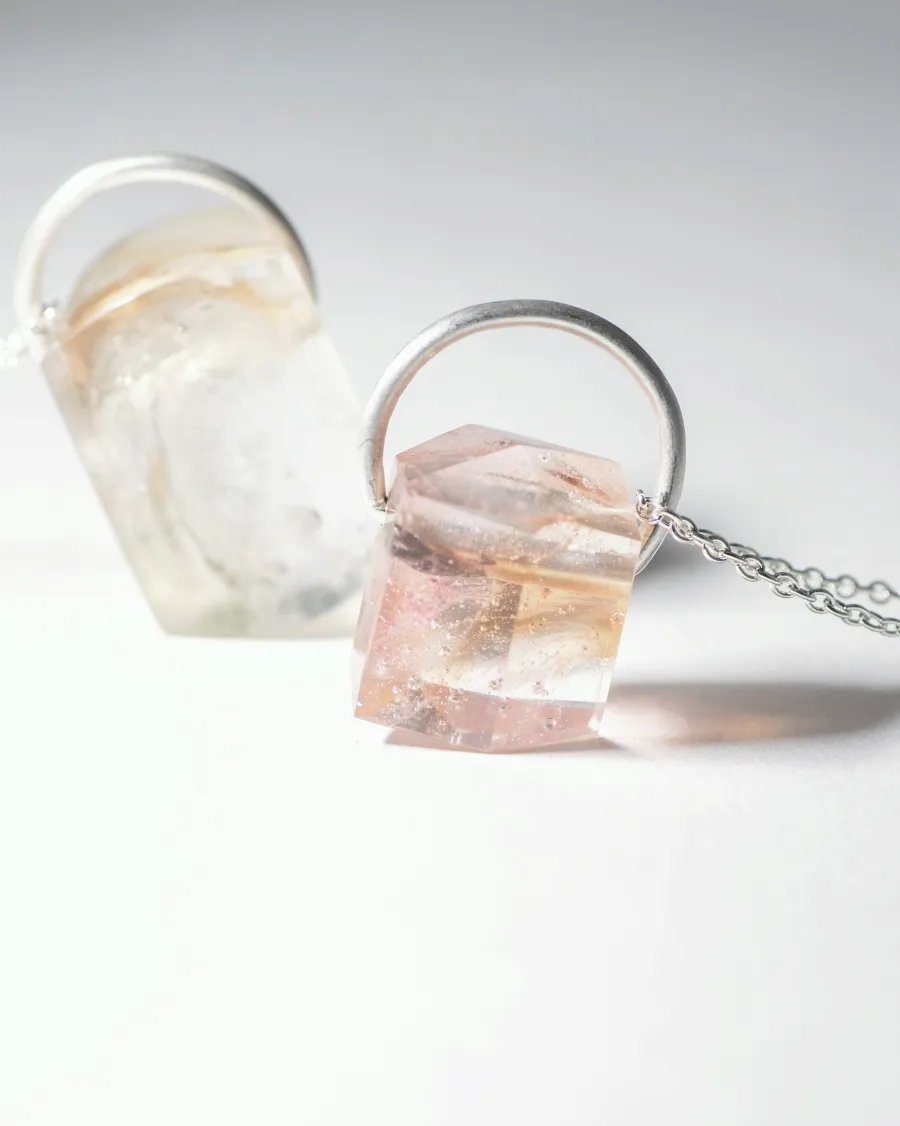
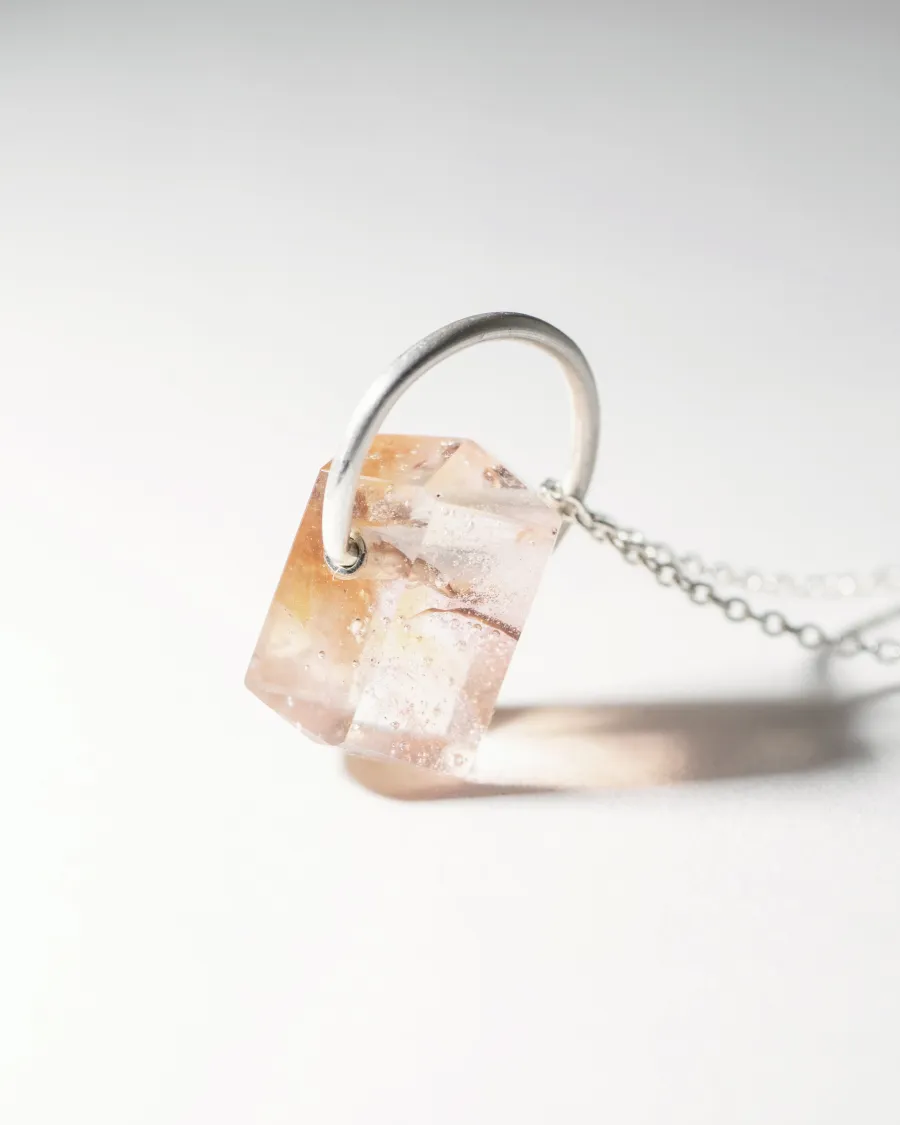
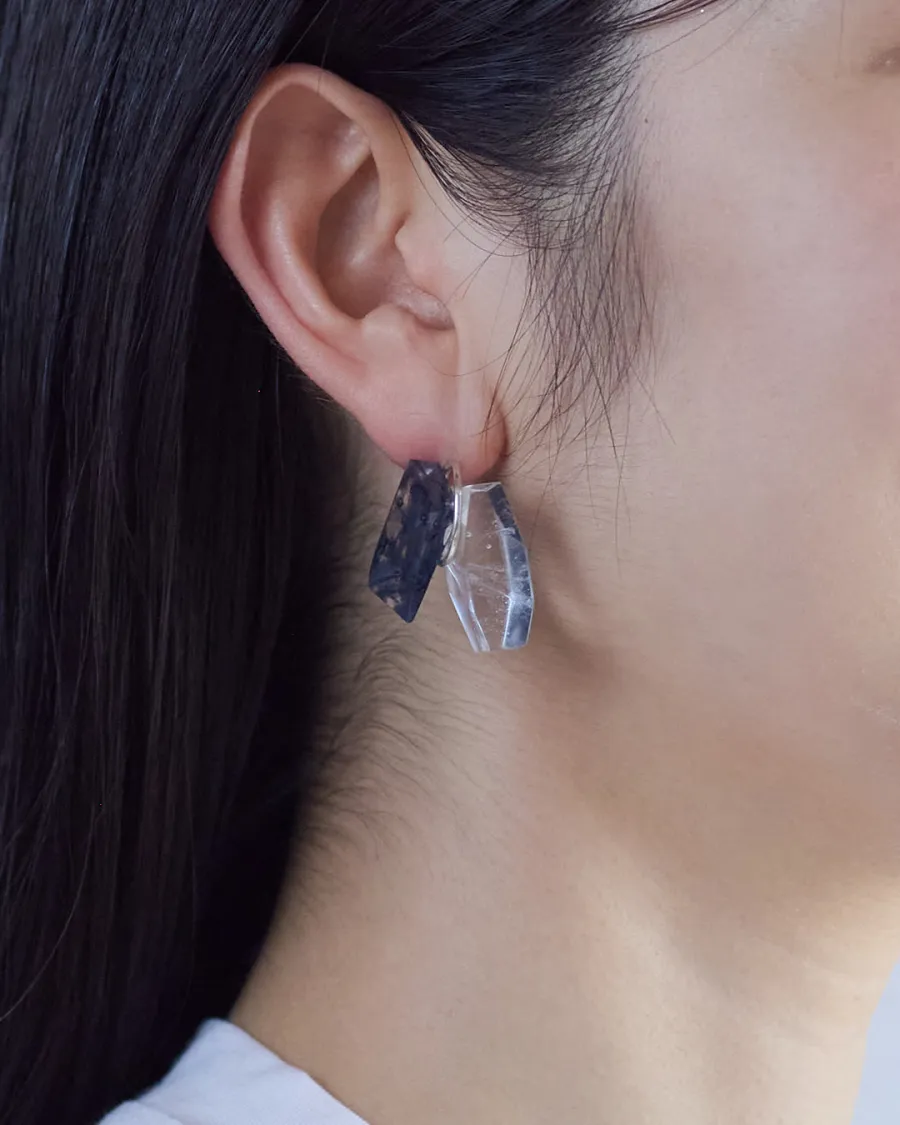
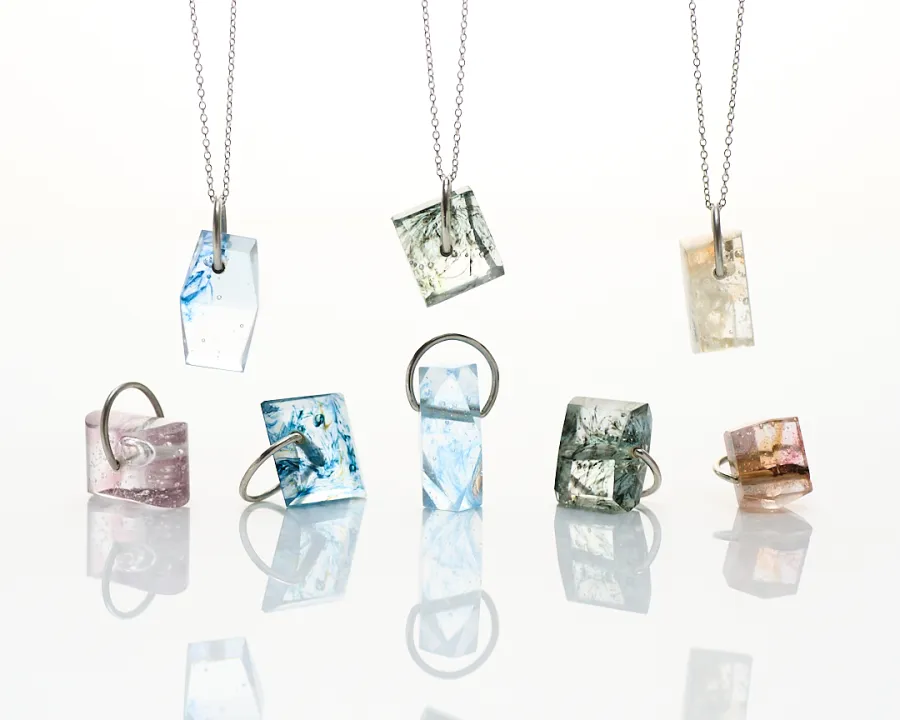
The HENGE pendant is characterized by its structure where a silver pipe penetrates through the core of the hard glass material, with a ring mounted on it. While possessing a seemingly weighty presence at first glance, it offers a light wearing experience as if freed from gravity. HENGE is art jewelry that quietly embodies the essence of ancient wisdom while accompanying us in the present moment.
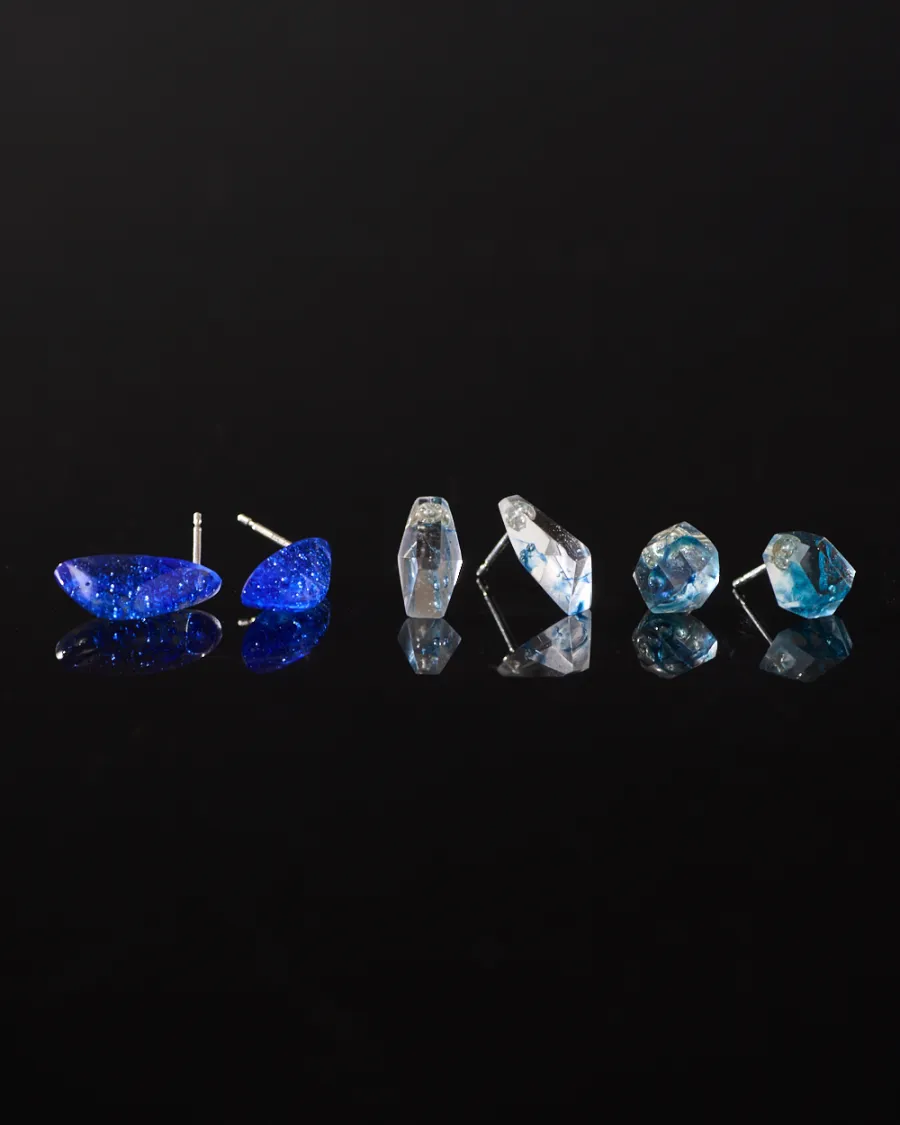
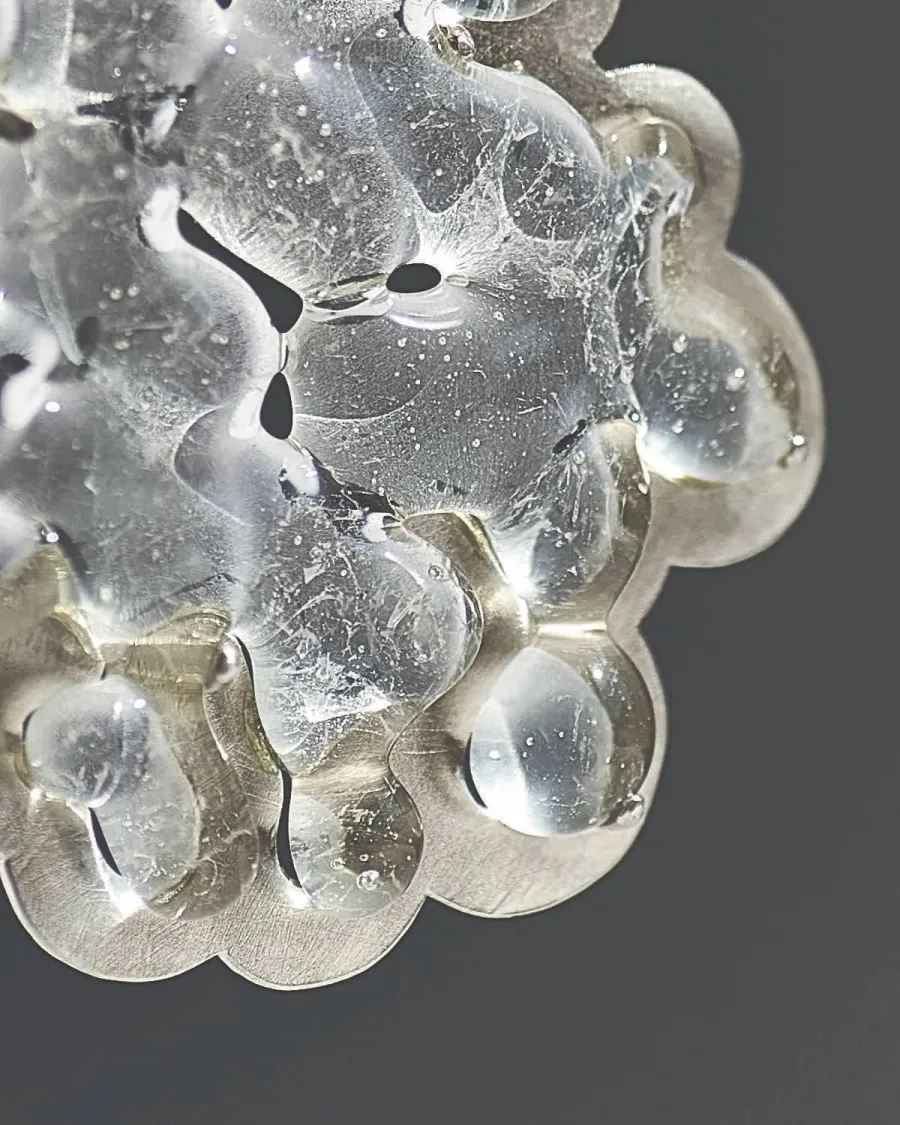
The glass motifs fired using the pâte de verre technique are entirely handcrafted through all processes from color mixing to molding. With different expressions depending on color and form—Forest Green, Orange, Clear, and others—no two pieces are alike.